


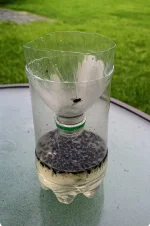
I’m excited to share a simple, effective, and eco-friendly DIY fly trap that you can whip up at home with minimal effort and materials. This is a fantastic solution for anyone dealing with pesky flies, whether you’re in a rural setting with livestock or just trying to keep your backyard picnic fly-free. Below, I’ll walk you through the ingredients and step-by-step instructions to get this trap up and running. Plus, I’ll dive into some historical context about how farmers and ranchers have tackled fly problems over the centuries and why avoiding modern chemical solutions might be a smarter choice for your health and the environment.
Ingredients:
Historical Context: Fly control has been a challenge for farmers and ranchers for hundreds of years, dating back to ancient times. In early agrarian societies, people used smoke from burning herbs or animal dung to repel flies, a method still seen in some rural areas today. During the Middle Ages, farmers experimented with sticky traps made from tree sap or fermented fruit, laying the groundwork for modern DIY solutions. By the 19th century, as livestock farming intensified, fly populations surged, prompting the use of early chemical concoctions like arsenic-based pesticides. These were effective but highly toxic.In the 20th century, the development of synthetic insecticides like DDT revolutionized pest control, though its environmental impact led to its ban in many places. Today, some farmers and ranchers turn to potent chemicals such as organophosphates or pyrethroids to manage fly infestations. While these can be effective, they pose significant risks—potentially causing neurological damage in humans and animals, contaminating water supplies, and harming beneficial insects like bees. Given these dangers, switching to natural traps like this one not only honors historical ingenuity but also promotes a safer, healthier approach to pest management. I encourage you to give this method a shot and share your results with the community!Let me know how it works for you or if you have any tips to improve it!
Video coming next....
Ingredients:
- 1/2 cup of sugar
- 1/4 cup of vinegar
- 1/2 cup of hot water
- 1 tsp of salt
- Start by combining the sugar, vinegar, hot water, and salt in a clean plastic bottle. Stir the mixture thoroughly until the sugar and salt are fully dissolved, creating an enticing bait for the flies.
- Carefully cut off the top funnel section of the bottle (just below the neck) using a sharp knife or scissors. Be sure to handle the cutting tool with care!
- Invert the cut funnel section and place it back into the bottle, creating a cone-shaped entrance. Secure it with tape if needed to ensure a snug fit.
- Place the trap in an area where flies are a problem, such as near a compost pile, garbage can, or livestock area. The sweet and acidic scent will lure the flies in, and the narrow opening will trap them inside.
- Check the trap periodically, and when it’s full, dispose of the contents and refresh the bait mixture as needed.
Historical Context: Fly control has been a challenge for farmers and ranchers for hundreds of years, dating back to ancient times. In early agrarian societies, people used smoke from burning herbs or animal dung to repel flies, a method still seen in some rural areas today. During the Middle Ages, farmers experimented with sticky traps made from tree sap or fermented fruit, laying the groundwork for modern DIY solutions. By the 19th century, as livestock farming intensified, fly populations surged, prompting the use of early chemical concoctions like arsenic-based pesticides. These were effective but highly toxic.In the 20th century, the development of synthetic insecticides like DDT revolutionized pest control, though its environmental impact led to its ban in many places. Today, some farmers and ranchers turn to potent chemicals such as organophosphates or pyrethroids to manage fly infestations. While these can be effective, they pose significant risks—potentially causing neurological damage in humans and animals, contaminating water supplies, and harming beneficial insects like bees. Given these dangers, switching to natural traps like this one not only honors historical ingenuity but also promotes a safer, healthier approach to pest management. I encourage you to give this method a shot and share your results with the community!Let me know how it works for you or if you have any tips to improve it!
Video coming next....