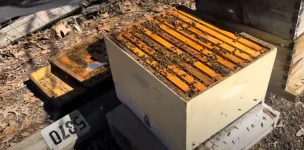
Beekeeping has always captivated me as a beautiful blend of age-old tradition and human ingenuity. My friend Matthew Kasinger made this video while working toward his Florida program. It offers a clear look at a hive inspection. He covers lighting the smoker, spotting the brood, checking honey reserves, and hunting for the queen. Still, there’s more to unpack beneath the surface.
Take the use of smoke, for instance. It’s one of the oldest techniques in beekeeping. Evidence shows ancient Egypt and Greece used it, burning dried grass, pine needles, or herbs to settle their bees. They figured out that smoke disrupts the alarm pheromone and keeps the hive peaceful. Matthew’s video shows paper, leaves, wood pellets, and sticks as fuel. Really, any natural, smoldering material does the trick, so long as it’s chemical-free and bee-safe. If you’re curious to dig deeper, “The ABC & XYZ of Bee Culture” (Root, 1978) traces how smoke has been a cornerstone of hive management for centuries. That was long before fancy smokers with bellows and guards came along.
Back in the day, beekeepers worked with straw skeps or basic wooden boxes. They had no removable frames, just bees building comb however they pleased. Inspections were a messy affair and often wrecked parts of the hive. That changed in the mid-19th century when L.L. Langstroth cracked the code of “bee space.” He found that magic ⅜-inch gap bees need to roam freely. His discovery paved the way for the removable frames we see in modern Langstroth hives. That makes checks far less invasive. I still admire how early keepers managed with sharp observation, steady hands, and a wisp of smoke.
Then there’s propolis, that gooey, resinous stuff coating everything. It’s been prized since ancient times. People harvested it for salves or chewed it as a makeshift remedy for infections. Bees craft it from tree resin and blend it with enzymes to create a natural “antibiotic glue” that seals cracks and fights off germs. It’s a brilliant defense system. That said, it turns hive cleanup into a battle against nature’s stickiest adhesive, one that’s good for the bees at least.
From a sustainability angle, leaning on these traditional practices makes sense. Smoker fuel from untreated wood scraps or natural pest controls like essential oil mixes and powdered sugar dusting cuts down on chemicals. Matthew’s video briefly shows a tray under the hive, a simple tool for tracking Varroa mites or other threats. Old-school beekeepers often missed subtle signs of trouble until it was too late. These low-tech monitoring methods are a quiet modern win.
Handling frames is all about care. You need to keep them in order and the brood cozy. Today’s hives make it easier to spot the queen, eggs, larvae, and brood stages. A marked queen, like the one Matthew captured in the video, is a confidence booster for beginners. Historically, not every beekeeper bothered marking her. They just knew where to look in the brood nest. For those starting out, a splash of color on the queen is a quick way to confirm she’s thriving and laying.
If you’re drawn to older ways, medieval beekeepers offer inspiration. They shielded themselves with linen veils, hoods, or even crocheted nets. That simple gear held up decently, if not perfectly. Modern suits are more reliable, but there’s charm in testing those minimalist defenses. Just plan to move with extra patience around the hive.
One last thought: timing matters. Matthew mentions recent snow in the video, a sign of cold weather when bees huddle tight. Opening the hive then risks chilling the brood if you linger too long. Historically, winter was hands-off unless something seemed dire. A brief peek might be needed. Respecting the season’s rhythm with temperature, weather, and all is a timeless rule every beekeeper should honor.
Take the use of smoke, for instance. It’s one of the oldest techniques in beekeeping. Evidence shows ancient Egypt and Greece used it, burning dried grass, pine needles, or herbs to settle their bees. They figured out that smoke disrupts the alarm pheromone and keeps the hive peaceful. Matthew’s video shows paper, leaves, wood pellets, and sticks as fuel. Really, any natural, smoldering material does the trick, so long as it’s chemical-free and bee-safe. If you’re curious to dig deeper, “The ABC & XYZ of Bee Culture” (Root, 1978) traces how smoke has been a cornerstone of hive management for centuries. That was long before fancy smokers with bellows and guards came along.
Back in the day, beekeepers worked with straw skeps or basic wooden boxes. They had no removable frames, just bees building comb however they pleased. Inspections were a messy affair and often wrecked parts of the hive. That changed in the mid-19th century when L.L. Langstroth cracked the code of “bee space.” He found that magic ⅜-inch gap bees need to roam freely. His discovery paved the way for the removable frames we see in modern Langstroth hives. That makes checks far less invasive. I still admire how early keepers managed with sharp observation, steady hands, and a wisp of smoke.
Then there’s propolis, that gooey, resinous stuff coating everything. It’s been prized since ancient times. People harvested it for salves or chewed it as a makeshift remedy for infections. Bees craft it from tree resin and blend it with enzymes to create a natural “antibiotic glue” that seals cracks and fights off germs. It’s a brilliant defense system. That said, it turns hive cleanup into a battle against nature’s stickiest adhesive, one that’s good for the bees at least.
From a sustainability angle, leaning on these traditional practices makes sense. Smoker fuel from untreated wood scraps or natural pest controls like essential oil mixes and powdered sugar dusting cuts down on chemicals. Matthew’s video briefly shows a tray under the hive, a simple tool for tracking Varroa mites or other threats. Old-school beekeepers often missed subtle signs of trouble until it was too late. These low-tech monitoring methods are a quiet modern win.
Handling frames is all about care. You need to keep them in order and the brood cozy. Today’s hives make it easier to spot the queen, eggs, larvae, and brood stages. A marked queen, like the one Matthew captured in the video, is a confidence booster for beginners. Historically, not every beekeeper bothered marking her. They just knew where to look in the brood nest. For those starting out, a splash of color on the queen is a quick way to confirm she’s thriving and laying.
If you’re drawn to older ways, medieval beekeepers offer inspiration. They shielded themselves with linen veils, hoods, or even crocheted nets. That simple gear held up decently, if not perfectly. Modern suits are more reliable, but there’s charm in testing those minimalist defenses. Just plan to move with extra patience around the hive.
One last thought: timing matters. Matthew mentions recent snow in the video, a sign of cold weather when bees huddle tight. Opening the hive then risks chilling the brood if you linger too long. Historically, winter was hands-off unless something seemed dire. A brief peek might be needed. Respecting the season’s rhythm with temperature, weather, and all is a timeless rule every beekeeper should honor.